October 13, 2025
Atome Announces Massive Green Fertiliser Investment in Paraguay - Using Hydro Electric Surplus
Paraguay is undergoing a profound structural shift in how it uses its vast hydroelectric wealth. For decades, most of the power generated by the Itaipu and Yacyretá dams was exported—mainly to Brazil—providing steady revenue but little domestic transformation. That model is now changing. A deliberate reallocation of energy resources is under way, redirecting surplus electricity into strategic industrial projects inside Paraguay itself.
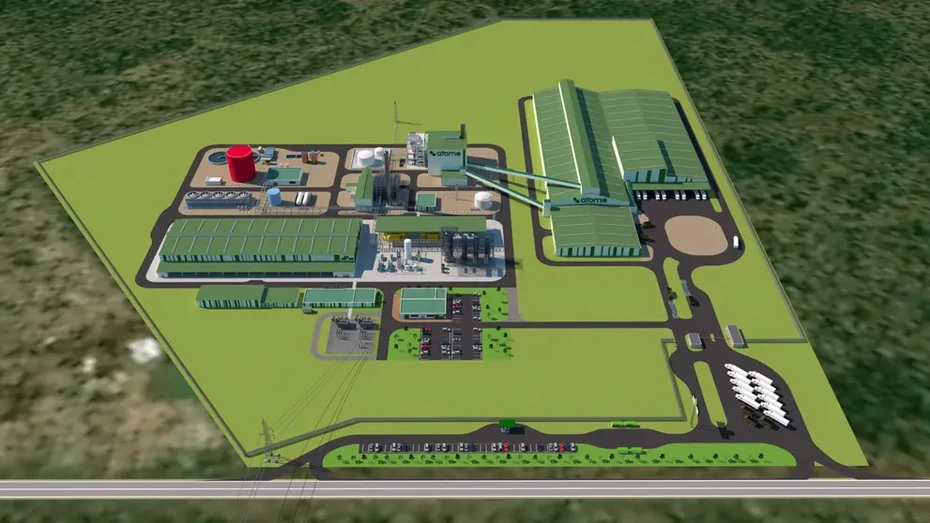
At the center of this shift is the Atome Villeta green fertiliser complex, a USD 583 million initiative backed by the European Investment Bank, the Green Climate Fund, and other international lenders. The plant will use 145 megawatts of clean power from Itaipu to produce 260 thousand tonnes per year of carbon-free calcium ammonium nitrate. It represents not only the first major use of Paraguay’s hydroelectric advantage in heavy industry but also a template for how energy surpluses can anchor industrial policy.
This reindustrialization is visible across multiple sectors. Cryptocurrency mining and cloud-computing data centers are expanding rapidly, attracted by the world’s lowest-cost renewable electricity. A government-backed data-infrastructure plan and tax-free investment zones in Yguazú and Villeta are aligning fiscal incentives with energy planning. Together they form a coordinated effort to convert hydropower exports into high-value manufacturing, technology, and digital services.
The strategy is pragmatic: rather than depend on commodity energy sales, Paraguay seeks to internalize the value chain, retaining both capital and technical expertise. It is a pivot from energy rent to energy leverage. The long-term vision is to make Paraguay a regional hub for green hydrogen, clean fertilisers, and low-carbon industry—industries that require enormous and constant power but produce globally tradable, sustainable outputs.
If successful, this reallocation of hydroelectric capacity could redefine Paraguay’s role in South America. A nation once viewed as a passive electricity supplier would become a model for how renewable abundance can underpin industrial renewal, export diversification, and genuine economic independence.
Blog
Blog
Blog
Blog
Blog