October 13, 2025
Marco Rubio proposes using Paraguay’s surplus energy from Itaipu for U.S. artificial intelligence

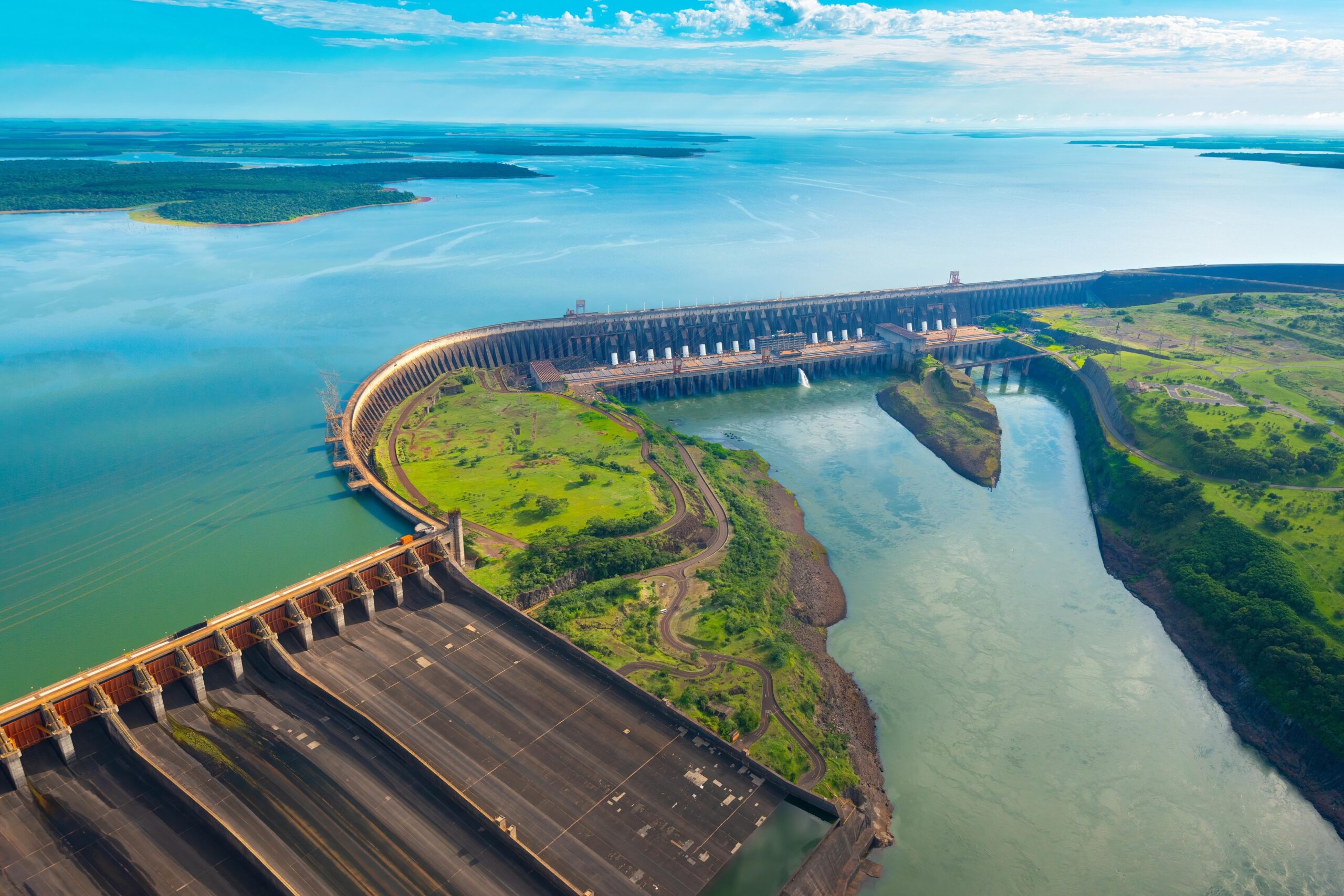
U.S. Secretary of State Marco Rubio said on Tuesday (May 20) before the Senate Foreign Relations Committee that Paraguay’s surplus energy from the Itaipu hydroelectric plant could be used to power artificial intelligence development in the United States.
He argued that energy will become a central theme of U.S. foreign policy in the coming decades, emphasizing that the global expansion of AI will require a vast increase in power generation. Rubio noted that Paraguay co-owns the plant with Brazil and had a longstanding agreement to sell half of its share to Brazil—but that contract has expired.
New Brazil–Paraguay agreement
Since 2024, Brazil and Paraguay have been renegotiating Itaipu’s “Annex C,” the section governing financial and energy terms. Starting in 2027, Paraguay will be allowed to sell its energy directly to Brazilian industries on the open market. Brazil, however, expects to pay lower prices under this new arrangement.
During these negotiations, reports emerged that hackers linked to Brazil’s intelligence agency (Abin) had infiltrated Paraguayan officials’ communications, prompting a diplomatic backlash and suspension of talks.
Tensions also rose after Paraguay accused Brazil of siding with Suriname’s candidate for president of the Organization of American States (OAS). Paraguay withdrew its own candidate, ending a long-standing period of U.S. dominance in the OAS.
Domestic repercussions and risks
Within Brazil, officials view Rubio’s remarks as encouragement for AI companies to set up operations in Paraguay, attracted by the abundant electricity from Itaipu. Brazil’s Foreign Ministry (Itamaraty) has refrained from commenting, since it is still negotiating Annex C, and fears that opposing U.S. involvement could make the country appear hostile to investment in AI infrastructure.
A further complication is Brazil’s plan to attract major “data center” projects, announced by Finance Minister Fernando Haddad. These facilities depend on stable long-term energy supplies from Itaipu to be feasible.
Blog
Blog
Blog
Blog
Blog